A weekly injection you administer at home after being shown how
A free initial consultation including a complimentary InBody body composition scan
Ongoing provider review with dose adjusted based on your response and tolerance
Appetite changes are often noticed within the first weeks, with weight change developing gradually
Several months, with duration guided by your progress and goals
Not required. Treatment is available to all patients
Most people who ask about Medical Weight Management have already tried losing weight without them, often more than once. That history matters because it is usually why these medications work when other approaches haven’t. Appetite is regulated hormonally, and willpower is not the variable it is generally assumed to be.
At WellnessMD in Collierville, TN, we prescribe and monitor Medical Weight Management within a medical weight loss program rather than dispensing them on their own. That distinction shapes everything about treatment, from what happens at your first appointment to what happens when you decide to stop.

Medical Weight Management are prescription medications known as GLP-1 receptor agonists. They mimic hormones your body already produces in response to eating, which is why most patients describe the experience not as deprivation, but as a quieting of the constant preoccupation with food.
They work in two main ways. They slow how quickly the stomach empties, so meals satisfy for longer, and they act on the appetite signaling in the brain that drives hunger between meals. Both effects reduce how much you want to eat without requiring you to resist wanting it.
Which medication is appropriate for you, and at what dose, is a clinical decision made with your provider based on your health history, other medications, and how you respond over time. It is not a question of which one is stronger.
Both medications act on the hormonal signals that govern hunger and fullness. By slowing gastric emptying, they extend how long a meal keeps you satisfied. By affecting appetite signals in the brain, they reduce the background hunger that builds between meals and make eating feel less like sustained effort.
Treatment begins at a low dose and increases gradually over the first months. That pacing is deliberate, not cautious for its own sake: it gives your body time to adjust and substantially reduces the digestive side effects most common early on. Your dose is adjusted based on how you respond and what you tolerate rather than following a fixed schedule.

At WellnessMD, Medical Weight Management are one part of a physician-supervised program, not a standalone prescription. What patients most often describe as the meaningful change is not the number on the scale but the reduction in how much mental space food occupies, which is what makes other changes possible.
Most patients arrive with several of these at once, not just one. The purpose of a medical program is to identify what is driving the difficulty, rather than treating weight as a single problem with a single cause.
These medications are generally considered for adults whose weight is affecting their health. Clinical guidelines often reference a BMI threshold when other health factors are present, or a higher threshold without them, though BMI alone does not determine suitability. Your provider assesses it alongside your health history, current medications, and what you have already tried.
The program suits people who want ongoing clinical support rather than a prescription alone, and who are prepared to attend check-ins so dose and response can be reviewed. It works considerably better alongside changes to eating and activity than instead of them.
These medications are not appropriate for everyone. They are not used during pregnancy or breastfeeding, and they are avoided where there is a personal or family history of medullary thyroid carcinoma or multiple endocrine neoplasia type 2, or a history of pancreatitis. Certain gastrointestinal conditions and other medications also affect suitability. We review all of this at your consultation before prescribing anything, and if this isn’t the right approach for you, we’ll tell you directly.
Your first appointment includes a full assessment of your health history, current medications, previous attempts at weight loss, and what you hope to achieve. It includes a complimentary InBody scan, which measures body composition rather than weight alone and gives you a starting picture that a scale cannot provide.
If treatment is appropriate, you start at a low dose and learn how to administer the weekly injection at home. The needle is very fine, and most people find it considerably easier than expected. Check-ins are then scheduled throughout so we can review response and tolerance and adjust your dose as needed.
Nausea is common in the first weeks or following a dose increase and usually settles as your body adjusts. Report it rather than endure it, as slowing the pace of dose increases often resolves it entirely.
These medications reduce appetite and support blood sugar regulation. What they do not do is permanently change how your body regulates weight, and understanding that distinction matters more than almost anything else on this page.
While you are taking them, appetite signaling is altered. When you stop, that effect stops, and appetite generally returns toward where it was before. This is why weight regain after discontinuation is common, and it is not a failure of willpower when it happens.
In practice, this means Medical Weight Management work best as part of a longer plan rather than a fixed course with an end date. Some patients stay on a maintenance dose, others taper with support, and others use the period of reduced appetite to build habits that last afterward. That conversation should happen at the beginning, not when you are ready to stop.
Weight loss does not happen selectively. Two changes catch patients out often enough to mention before they happen, not after.
The first is facial volume. Fat loss affects the face as well as the body, and because facial fat supports the skin’s structure, losing it can leave the face looking hollow or drawn even when the change everywhere else is welcome. Where this becomes a concern, dermal fillers restore volume directly, and Morpheus8 addresses skin quality and laxity.
The second is muscle. Rapid weight loss draws on lean tissue as well as fat, and losing muscle affects strength, metabolism, and the final result. Adequate protein and resistance training protect against it, so build them into your plan from the start rather than addressing them later. Your InBody scan measures lean tissue directly, which is why we review body composition at check-ins rather than weight alone.
Injections are rarely the whole program. At WellnessMD, they are most often combined with the services below to address factors medication alone doesn’t reach.
Option | How It Works | Best For | Clinical Oversight |
|---|---|---|---|
Medical Weight Management | GLP-1 medication altering appetite and blood sugar regulation | Appetite-driven difficulty and previous unsuccessful attempts | Weekly dosing with scheduled provider review |
Medical Weight Loss Program | Structured physician-supervised program, with or without medication | Patients wanting comprehensive support | Ongoing throughout |
Ideal Protein | Phased nutritional protocol with coaching | Patients who prefer a food-based structured approach | Coaching through each phase |
Weight Loss Counseling | Behavioral support addressing habits and patterns | Sustaining a result already achieved | Scheduled sessions |
Hormone Therapy | Addresses hormonal factors affecting weight | Weight change linked to hormonal shifts | Bloodwork and ongoing monitoring |
Prescribing is the straightforward part. What determines whether treatment works is monitoring, honesty about what happens when you stop, and a provider who adjusts the plan when something isn’t going well.
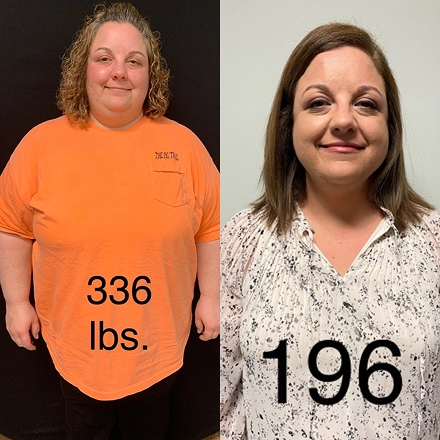
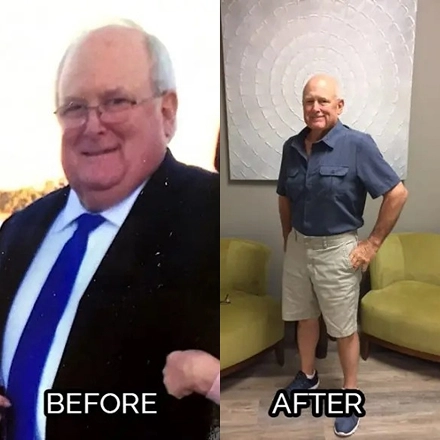
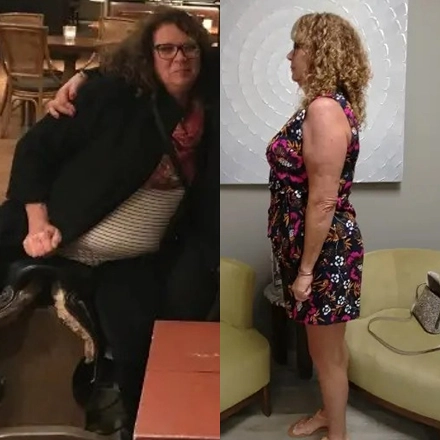
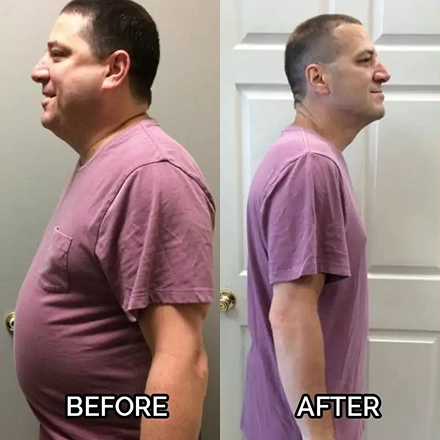
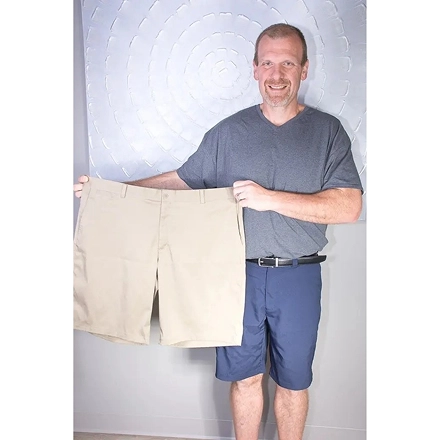
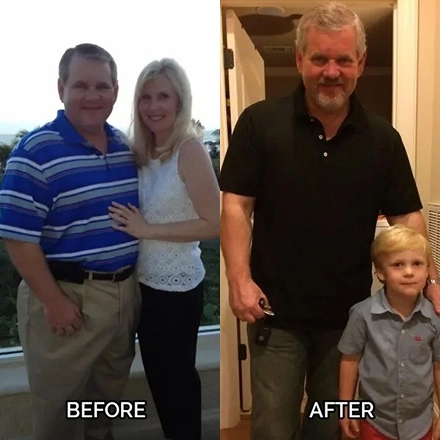
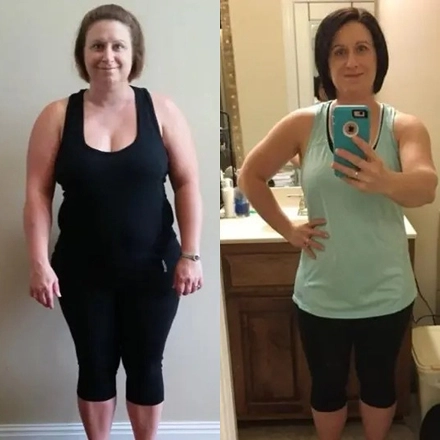
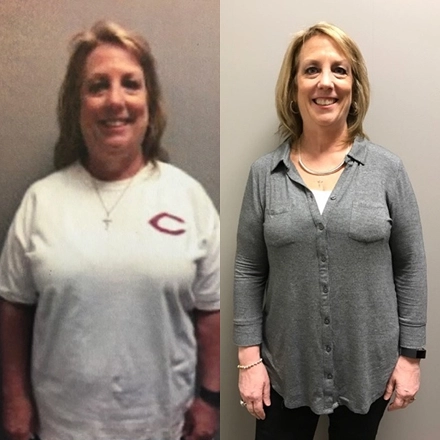
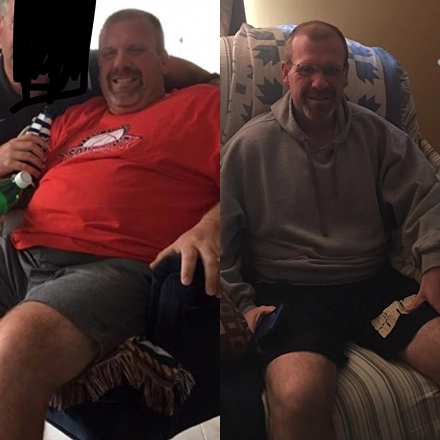
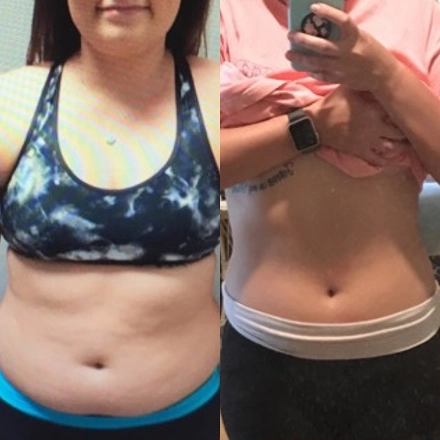
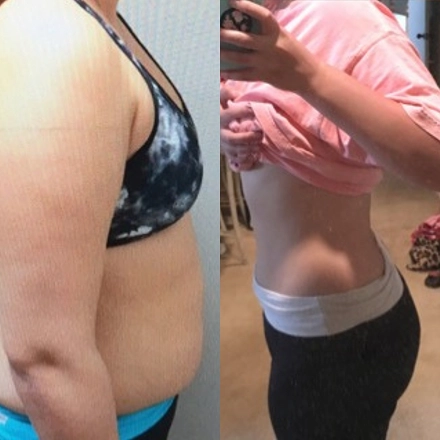
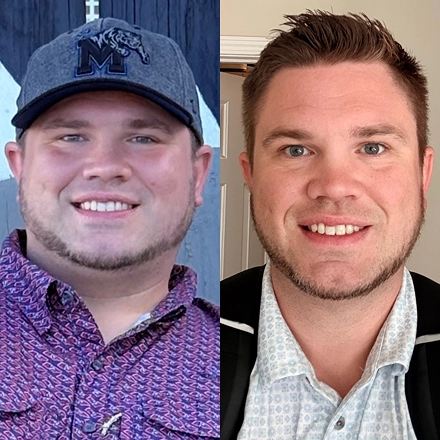
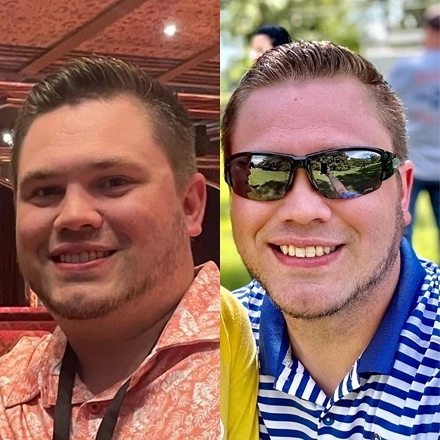
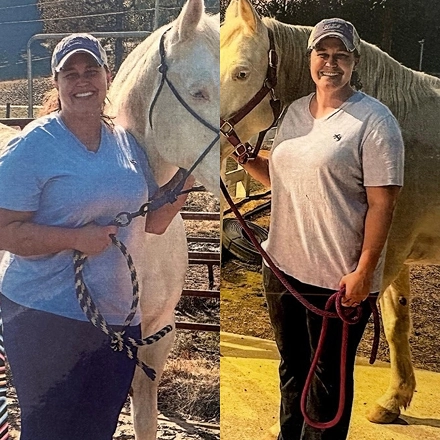
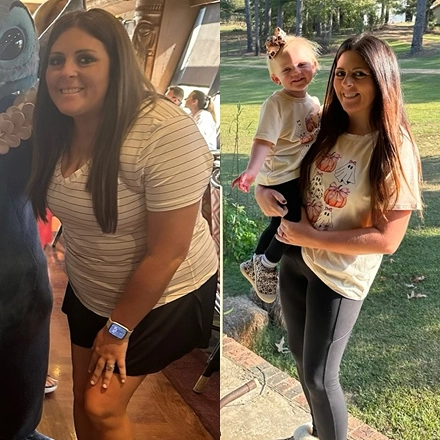
Results vary considerably between individuals, so we prefer to show a range rather than a single best case. Every patient in our gallery started from a different place and worked to a plan built around their own history and health.
See weight loss results from our patients in our gallery. You can also read what patients have said about the program on our testimonials page.
WellnessMD provides Medical Weight Management to patients throughout Collierville, TN, and the surrounding communities across Shelby County and North Mississippi. Our clinic is located on S. Houston Levee Road, within easy reach of Memphis, Germantown, and Piperton.
The cost depends on which medication is prescribed and the dose you are on. Because the dose typically increases over the first few months, the monthly cost isn't the same throughout, which is worth understanding before you start rather than discovering later. We provide a specific breakdown at your consultation, which is free and includes a complimentary InBody scan with no obligation.
Appetite generally returns toward where it was before, and weight regain after stopping is common. The medication alters appetite signaling while you take it, but it does not permanently change how your body regulates weight. Some patients continue at a maintenance dose, others taper with support, and others use the period of reduced appetite to build habits that hold afterward. What suits you is a conversation to have at the start of your program, not at the end.
Some lean tissue loss occurs alongside fat loss during any significant weight reduction, and it can be more pronounced when loss is rapid. That matters because muscle affects strength, metabolism, and how the result looks. Adequate protein and resistance training are what protect against it, and both are worth building in from the start. Your InBody scan measures lean tissue directly, so we track it at check-ins rather than estimate it.
Weight loss affects the face as well as the body, and because facial fat helps support the overlying skin, losing it can leave the face looking hollow or drawn. It tends to be more noticeable when weight comes off quickly. This is not a reason to avoid treatment, but it is worth knowing in advance. Where it becomes a concern, dermal fillers restore volume, and Morpheus8 addresses skin quality, and both are available here.
These medications are not used during pregnancy or breastfeeding, and they are avoided where there is a personal or family history of medullary thyroid carcinoma or multiple endocrine neoplasia type 2, or a history of pancreatitis. Certain gastrointestinal conditions and some medications also affect suitability. Beyond the clinical contraindications, they are a poor fit for anyone seeking a short-term intervention with a fixed end date. We review your full history at consultation.
Digestive side effects are the most common, particularly nausea, and they are usually most noticeable in the first weeks or after a dose increase. For most patients, they settle as the body adjusts, and slowing the pace of increases often resolves them. Less common effects include changes in bowel habits, fatigue, and injection site reactions. More serious risks, including pancreatitis and gallbladder problems, are rare but real, which is part of why ongoing monitoring matters.
That depends on your goals, how you respond, and what happens as you approach them. Many patients are on treatment for at least several months, and some continue at a maintenance dose much longer. Because appetite generally returns after stopping, the more useful question is what your plan looks like afterward rather than how soon you can come off it.
Most patients notice the change in appetite before anything else, often within the first few weeks. Weight change follows more gradually and varies considerably between individuals, which is why we review progress at check-ins rather than measuring it against a standard timeline. Comparing your experience to someone else’s is rarely useful.
No specific diet is required, and this program does not prescribe one. What matters is eating enough protein and getting adequate nutrition while your intake is reduced, since that protects muscle and supports how you feel day to day. Your provider will discuss eating and activity in a way that fits your life. If food has been a difficult relationship for you at any point, that is worth mentioning, as it shapes how the program is approached.
When prescribed and monitored within a medical program, these medications have a well-established safety profile. Appropriate patient selection, gradual dose increases, and scheduled reviews manage the risks. We assess your health history, current medications, and any existing conditions before prescribing anything, and we continue monitoring throughout your program rather than stopping once you feel settled.
If you have tried repeatedly and the results didn’t hold, that is worth approaching as a physiological question rather than a personal one. Our consultation is free, includes a body composition scan, and carries no obligation.
Call (901) 221-7212 or book your consultation at our Collierville clinic, 3680 S. Houston Levee Rd. Suite 104, to see whether Medical Weight Management are right for you.